

In Italy, the most dangerous Mafia bosses go to prison under a regime called 41 bis: almost total isolation, so they can't give orders from inside. That's the theory.
One morning, 181 arrests
On 11 February 2025, about 1,200 officers raided homes in and around Palermo at dawn, with helicopters overhead. They arrested 181 suspected members of Cosa Nostra, the Sicilian Mafia. Italian media called it the biggest crackdown in four decades. The charges: extortion, drug trafficking, attempted murder and being part of the Mafia.
The office was a cell
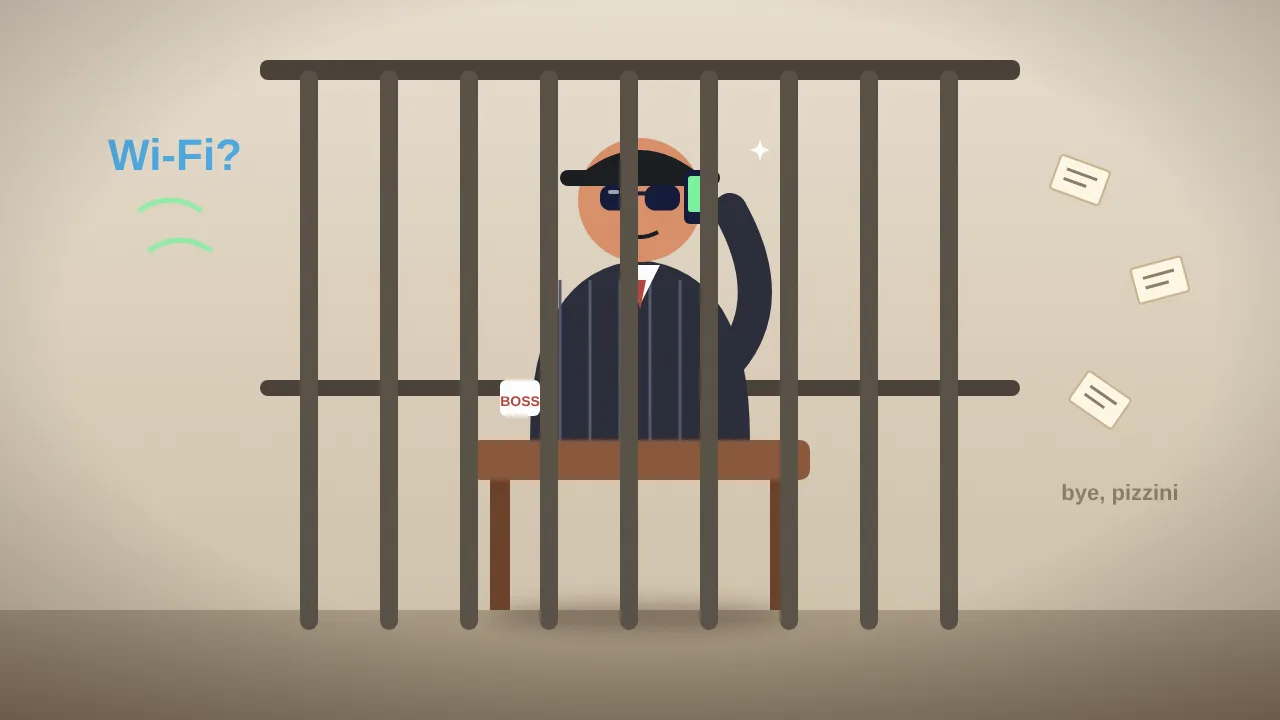
Here's what shocked investigators. Bosses behind bars kept running things, using encrypted phones and micro-SIM cards smuggled into their cells. They organised drug deals and "meetings" without leaving prison. Italy's top anti-Mafia prosecutor, Giovanni Melillo, called it "alarming" and said the high-security system was "subjected to the dominance of crime".
Old bosses used to send tiny paper notes called pizzini. Now they use encrypted apps. Even the Mafia went digital.
School for gangsters
Police heard an older member giving a new recruit "mafia lessons": how to treat the shops paying protection money and how to talk to the bosses. And the recruits were young. Of the 181 arrested, 118 were under 50, and 10 were under 25. Wiretaps also caught veterans moaning that new recruits just aren't what they used to be. Every workplace has that guy.
Where the money comes from
Cocaine is now the biggest earner, and Cosa Nostra works with the 'Ndrangheta from Calabria to bring it in. The clans even agreed on one cocaine price, so they wouldn't fight. Extortion still happens, but in 50 cases tracked since 2023, only a handful of victims went to the police.
Prime Minister Giorgia Meloni wrote that "the fight against the mafia has not stopped and will not stop". The experts' view is calmer: the Mafia took a big hit, but it's tougher than many thought.