

If you've ever told a 14-year-old "no phone at the table", you already know how this story goes. On 10 December 2025, Australia did something no country had done before: it banned children under 16 from having social media accounts. TikTok, Snapchat, Instagram, Facebook, YouTube and Reddit were all on the list. Parents around the world watched closely. Some cheered. Some laughed.
Now we have the first real numbers. And they're a bit awkward.
What the study found
Australia's online safety regulator, eSafety, asked a panel of university researchers to follow more than 4,000 children and their families, before the ban and three months after. Before the ban, about 86% of these kids used at least one of the banned platforms. Three months later? Just over 81%.
So yes, it went down. By five points. Daily use barely moved either: from about 60% of teens to 58%.
There was one bigger change. The share of kids who actually owned an account fell from 52% to 42%. Some kids kept watching without logging in, the way you can scroll YouTube without an account.
How did they get around it?
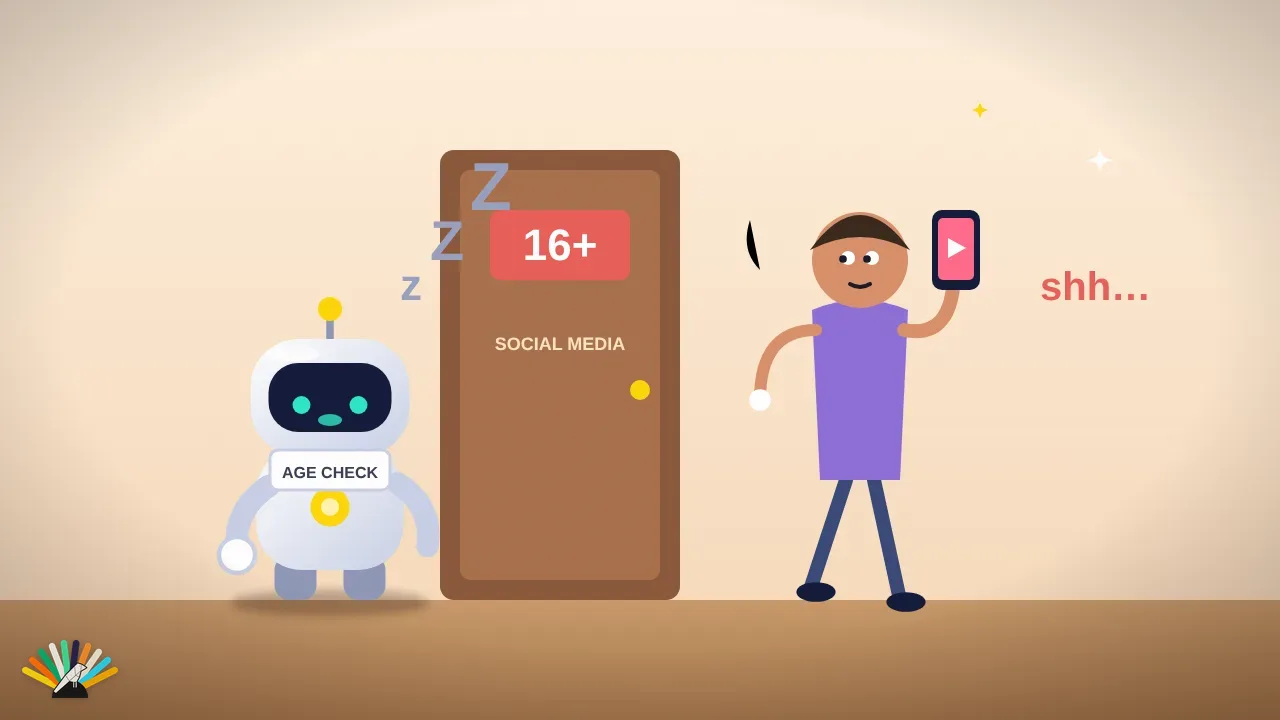
Here's the part that will make you smile, or sigh. The most common reason wasn't a clever hack. About half of the kids who kept their accounts said the app simply never checked their age. Others said their account already said they were 16 or older, or that the age-check guessed wrong and decided they looked older.
In other words, the teens didn't really beat the system. In many cases there wasn't much of a system to beat. eSafety itself said that "most under-16s who had social media accounts before commencement were able to either retain them or create new ones", and it put the blame on weak age checks by the platforms.
Where did the rest go?
Some kids moved sideways. Reddit use went up, from 6% to over 9% of children. Messaging apps and online gaming grew too. If you shut one door, teenagers find the window. They always have.
The bit parents should notice
This is the line in the report that matters most at home: parents now know less about what their kids do online than before. The researchers warned that "reduced parental awareness could limit opportunities for support or early intervention". Put simply: when something is banned, kids stop telling you about it.
Is the government giving up?
No. By March, about 4.7 million accounts had been removed or restricted, and more than 300,000 more had been blocked. Careful, though: those are accounts, not children. One kid can have five. The regulator is investigating Facebook, Instagram, Snapchat, TikTok and YouTube over whether they're doing enough. Companies can face fines of up to A$49.5 million, and in June the government said it would double the maximum penalty. A government spokesperson called the new age limit "a cultural change that will take time". This was only the first report of a two-year study.
What it means for you
Other countries are thinking about copying Australia, so this matters far beyond Sydney. The lesson so far is simple. A law can help, but it doesn't replace a parent. If your kid is on an app they shouldn't be, chances are no one asked their age. You can.
And keep talking. A kid who tells you about the weird video they saw is safer than a kid who hides the phone under the pillow. Even if that pillow is in Australia.