
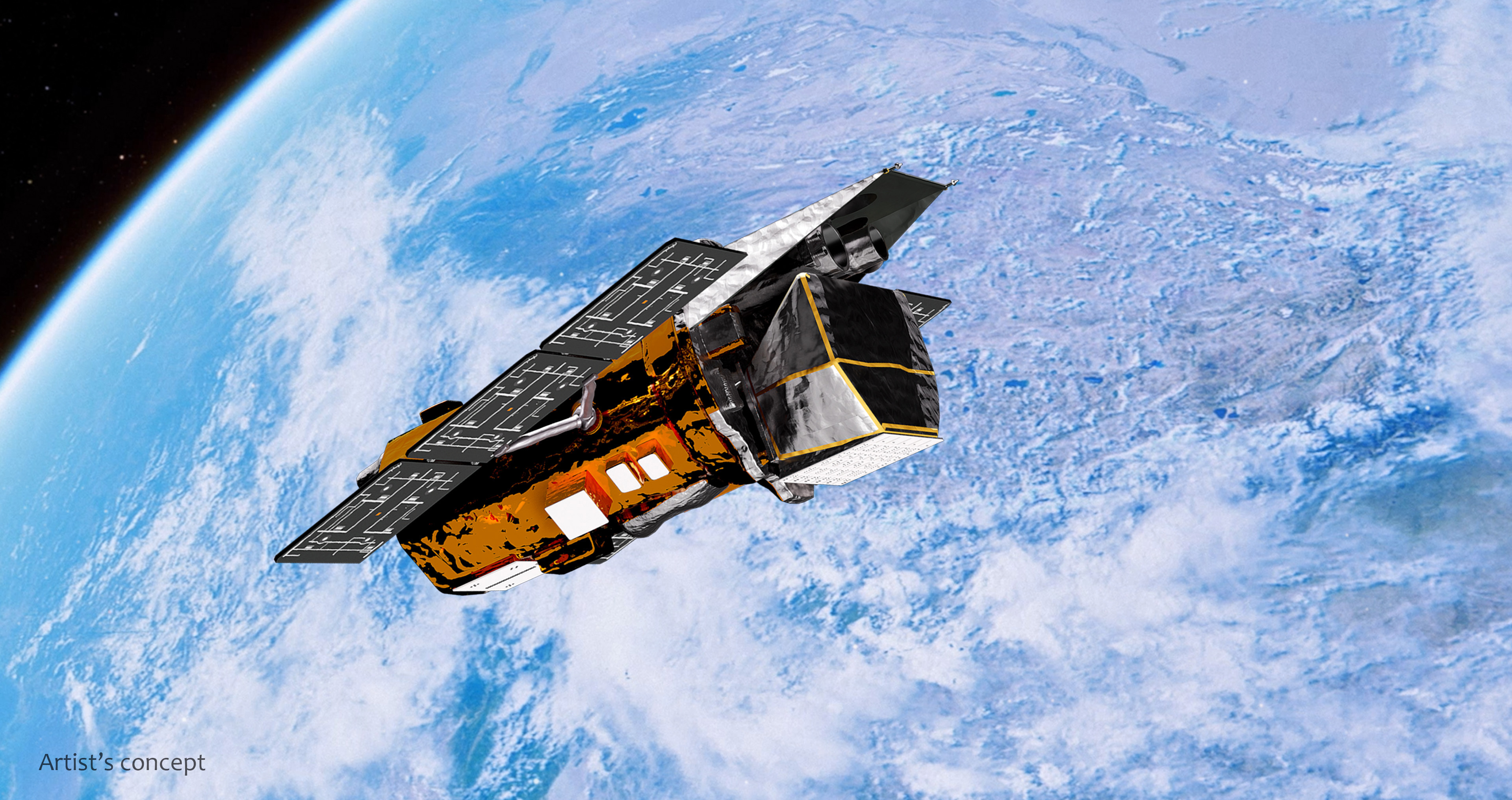
Some machines quit when the warranty ends. Swift didn't. NASA built it for a two-year mission and it worked for more than ten times that. On 20 October 2026 it made its last observation.
What was it hunting?
Gamma-ray bursts. They are the most powerful explosions in the universe, flashes of energy that can come from a dying giant star or two dead stars crashing together. They can last less than a second, so you have to be fast.
Swift was fast. When a burst went off, it could swing its telescopes onto the spot in about a minute. Over 22 years it caught more than 2,000 bursts and studied more than 1,400 exploding stars. Scientists wrote about 7,000 papers using its data.
Its big moment
In May 2005, Swift spotted a burst that lasted just 0.03 seconds and still caught its afterglow, a first. That helped prove short bursts come from two neutron stars smashing into each other. Neutron stars are what's left after a giant star dies: a whole sun squeezed into a ball the size of a city.
The rescue that almost happened
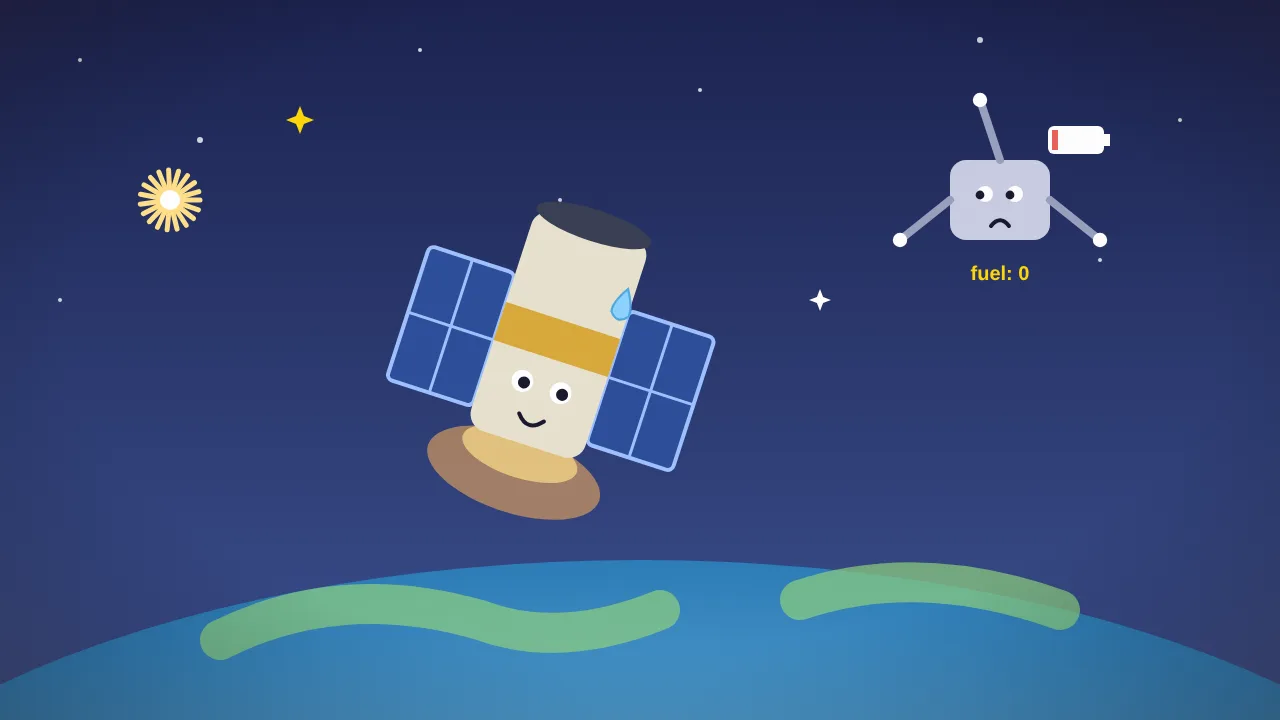
Air is very thin up there, but not zero. Over the years it slowly dragged Swift lower. A small Arizona company, Katalyst, built a robot with three arms in about nine months to grab it and push it higher. The robot went into a spin right after launch, used up its fuel getting steady, and could only get within 12 to 15 km of Swift. "From the beginning, this was a high-risk, high-reward mission," said NASA's astrophysics director, Shawn Domagal-Goldman.
Will it hit anyone?
Almost certainly not. Swift weighs about 1,450 kg, and most of it should burn up on the way down. Any pieces that survive will very likely land in the ocean or somewhere empty.
Its data stays behind: about 12 terabytes, free for anyone. Not bad for a two-year job. Most of us can't even keep a phone alive that long.