

Walk into some American petrol stations and you'll find it by the till: kratom, in shots, capsules and powders. It comes from a tree in South-East Asia, and the leaf has mild, opioid-like effects. The problem is what some sellers have done to it.
The souped-up versions
The natural leaf has only a trace of a compound called 7-OH. Some products have been concentrated or chemically tweaked to contain a lot more, plus a cousin called MGPI. In lab studies reviewed by the US Food and Drug Administration, 7-OH was roughly two to nine times stronger than morphine. The FDA calls it “a potent opioid” and warns it could feed a new wave of the opioid crisis.
What's changing
On 9 October 2026, the US health department recommended putting both compounds in Schedule I, the strictest category, home of heroin. The drug agency DEA announced it the same day, and it was published officially on 14 October. It's a temporary measure aimed at the strongest products.
The line is simple: more than 1 milligram of these compounds per gram or per millilitre, or much more of them than the leaf would naturally have.
What it doesn't mean
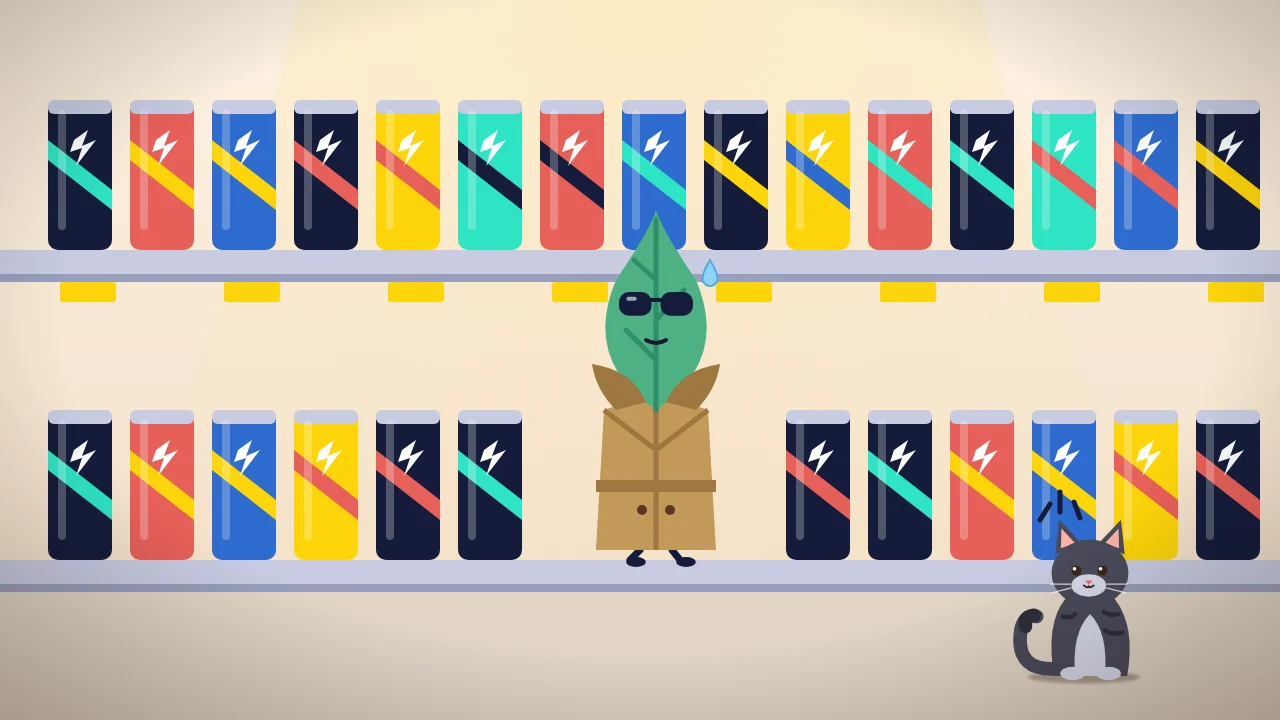
Plain kratom isn't banned by this. Health secretary Robert F. Kennedy Jr. said they are “drawing a clear line between natural kratom and dangerous, enhanced opioid products.” But careful: nobody said the plain stuff under the limit is safe either.
On this channel we'll keep saying it: if a little bottle at a petrol station promises to fix your mood, your back and your week, ask what's actually in it. The label is usually less chatty than the advert.
If something goes wrong
Opioids can slow or stop breathing. In Europe, call 112. In the US, call 911 or the Poison Help Line on 1-800-222-1222.