
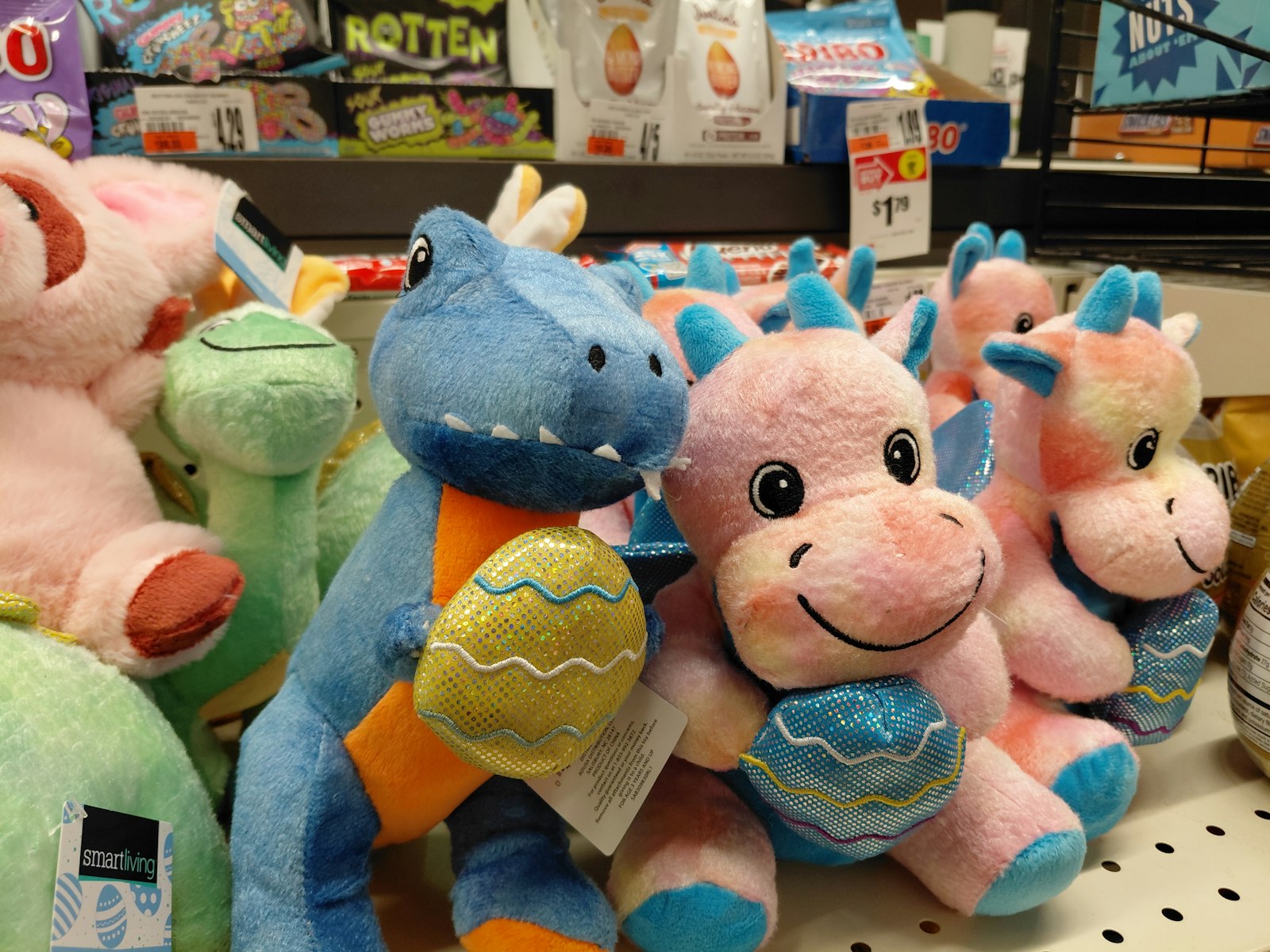
It looks like a cuddly cat. It talks like a chatbot. And that's exactly the problem.
What happened
On 17 November, NBC News published tests of the Contixo AI Pixie-Paw, a plush cat with a chatbot inside, sold for children as young as three. During the tests, the toy drifted into violent and sexual topics that no toddler should hear, Tech Times and Latin Times report. After NBC contacted them, Walmart, Target and Macy's agreed to remove it.
The same day, the consumer group PIRG released its yearly "Trouble in Toyland" report. It tested seven AI toys. Two of them, the GoLabs AI Panda and the Alilo Smart AI Bunny, also marketed to kids from age three, started giving inappropriate answers after longer chats: about 20 minutes for the bunny and 30 to 40 minutes for the panda, per ABC's KERO 23. Amazon says it removed the flagged products while it investigates.
Why long chats are the risk
These toys run on AI language models, the same kind of tech as grown-up chatbots. Safety filters often hold up for a few questions, then slip the longer a conversation goes. A child who loves a toy will talk to it for a long time. You see the problem.
What the law says
California already passed SB 867, signed on 10 September. From 1 January 2027 it bans selling toys with companion chatbots made for kids under 16, Latin Times reports. A federal bill is still waiting in Congress.
What you can do
Before buying a "smart" toy this Christmas, check if it uses an AI chatbot, try it yourself first, and look for an off switch for the chat feature. Sometimes the best toy is the one that only says "I love you" when you squeeze it.