
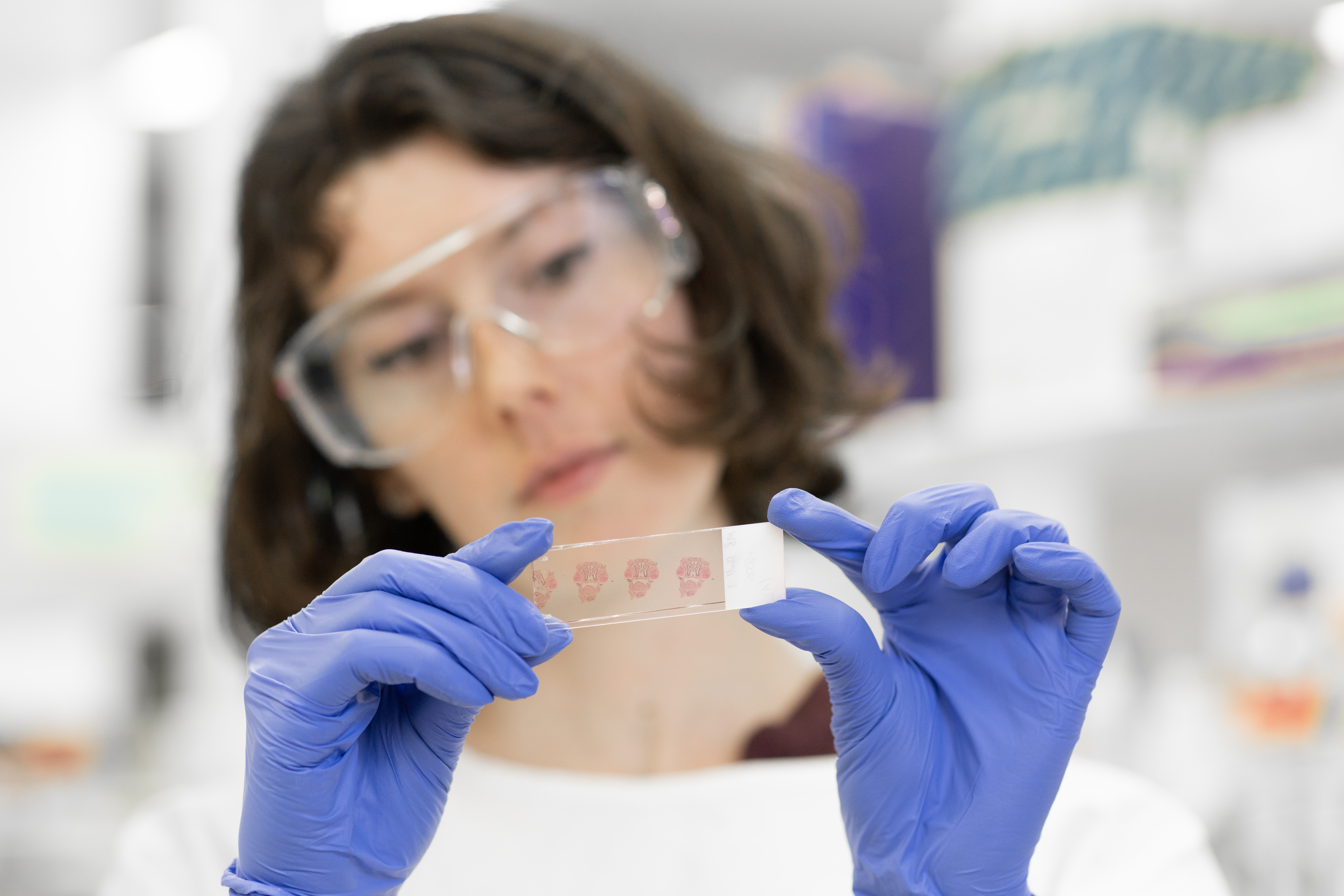
What if a few drops in the nose could help an ageing brain remember like it used to? It is still early days, and so far it has only worked in mice. But a new study from the University of Sydney has scientists excited.
How the drops work
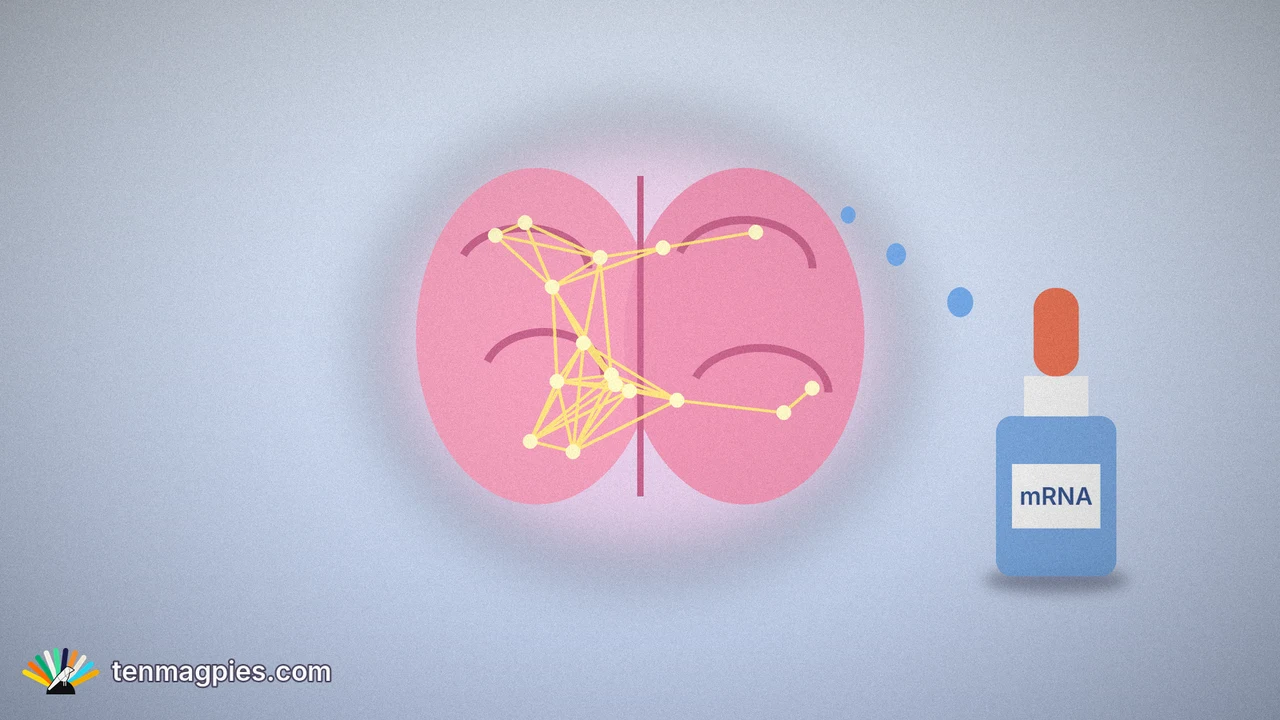
The drops carry instructions in the form of mRNA, wrapped in tiny fat bubbles called lipid nanoparticles. It is the same kind of technology used in the COVID-19 vaccines. Once in the nose, the mRNA tells cells there to make more of a protein called BDNF, short for brain-derived neurotrophic factor.
BDNF is sometimes described as fertiliser for the brain. It helps nerve cells grow, survive and connect with each other, and its levels tend to fall as we age and in diseases like Alzheimer's.
"The success of mRNA vaccines showed these systems can safely deliver genetic instructions to cells," said first author Dr Maria Bergamasco.
Old mice, young minds
The team tested the drops on aged mice using tasks that measure working memory, spatial memory and the ability to recognise objects. The results surprised them.
"In aged mice, we saw learning and memory significantly increased, returning animal cognition to its youthful prime," said senior author Professor Greg Neely of the Charles Perkins Centre.
The treatment also increased the birth of new nerve cells in the hippocampus, a part of the brain that is key to memory.
Stopping decline in Alzheimer's mice
The researchers also used mice bred to develop Alzheimer's-like disease. When these mice were given the drops twice a week from the age of two months, they showed no further mental decline by four months of age.
Interestingly, the drops did not reduce the amyloid plaques that build up in the brain in Alzheimer's. "Our approach seems to work not by clearing plaques but by supporting the health, survival and connectivity of neurons themselves," Neely said.
That matters, the team explains, because just under a third of people with serious plaque build-up in the brain never develop dementia. Protecting the nerve cells themselves may be another way to fight the disease. No major side effects were seen in the mice.
The study was published in the journal Advanced Science.
What comes next
This is early research, and many treatments that work in mice fail in people. "Human noses are different from mouse noses so we will need to test our drugs in humans," Neely said. The team now plans more safety studies in animals and hopes to begin human trials within about two years.
Our take
Alzheimer's has broken many promises, so caution is wise. But this idea is appealing for two reasons: it is simple to take, and it targets the health of brain cells rather than only the plaques. If it works even partly in people, a nasal spray could one day become an easy, at-home way to protect memory. For now, it is a hopeful headline, not a treatment you can ask your doctor about.
Source: University of Sydney, EurekAlert, ScienceDaily, News-Medical
Photo: Stefanie Zingsheim / University of Sydney