
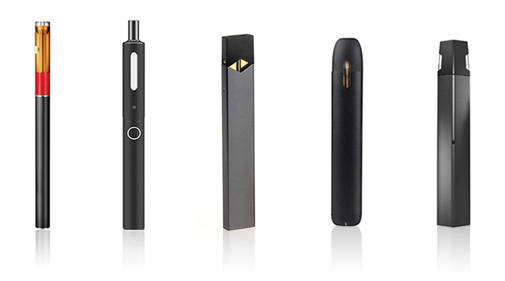
Every parent knows kids copy what they see, not what they are told. Two studies published this month put numbers on that idea. One looks at vaping and smoking at home. The other asks parents how they feel about a very new kind of helper: an AI chatbot that talks to their child about mental health.
Study one: the vape on the kitchen table
Researchers at Children's Hospital of Philadelphia looked at health records from 60,069 teenagers who visited the hospital's network of clinics between January 2025 and May 2026. Parents answered questions about their own tobacco use, and teens answered a confidential questionnaire. The results were published on November 23, 2026 in the journal Pediatrics.
The pattern is hard to miss. When no adult at home used tobacco or e-cigarettes, 2.0% of teens reported using nicotine themselves. When only a parent used, it was 13.5%. When both a parent and another adult used, it jumped to 23.5%.
Teens whose parent only vaped had 5.6 times the odds of using tobacco or nicotine. And teens in homes where both a parent and another adult used had nearly 15 times the odds of screening positive for high-risk substance use, including alcohol and marijuana.
"Household tobacco and e-cigarette use isn't just a parental health issue," said lead author Dr. Brian Jenssen. The good news, he says, is that doctors have a chance to help "not just one patient, but the whole family." The study shows a link, not proof that one causes the other.
Study two: parents and the robot therapist
The second study, from Harvard Medical School, Boston Children's Hospital and RAND, surveyed 572 U.S. parents with at least one child aged 5 to 17. It was published in JAMA Pediatrics.
The question: how comfortable would you be with AI-powered mental health treatment for your child? 76% said they were not comfortable. About 24% said they were somewhat or very comfortable.
What parents cared about most was whether the diagnosis would be right, whether the care would feel human, and privacy. Cost and wait times mattered less. "Parents in this survey were really prioritizing diagnostic accuracy," said first author Dr. Rosemary Martoma.
The common thread
Put side by side, these studies say the same thing from two angles. Kids pick up habits from the adults around them. And parents, in turn, want those adults, human ones, to stay in charge of the important stuff.
Our take
If you vape, the kindest thing for your teen might be quitting, or at least never doing it in front of them. And if an app promises to be your child's therapist, it is fine to be skeptical. Most parents are. The best parenting tool still seems to be the oldest one: showing, not telling.
Source: Pediatrics, Children's Hospital of Philadelphia, JAMA Pediatrics, Harvard Gazette
Photo: Wikimedia Commons