

For centuries, people have argued about one question: is the Shroud of Turin really the burial cloth of Jesus? A new study doesn't answer that. But it tells us something almost as fascinating: who and what touched it along the way.
Reading the dust
In 1978, scientists collected official samples from the famous linen cloth, kept in Turin, Italy. Almost 50 years later, an international team led by Italian researchers, with forensic scientists from the University of Lancashire, sequenced all the DNA they could find on those samples. Not just human DNA. Everything.
The results came out in the journal Scientific Reports.
What was on it
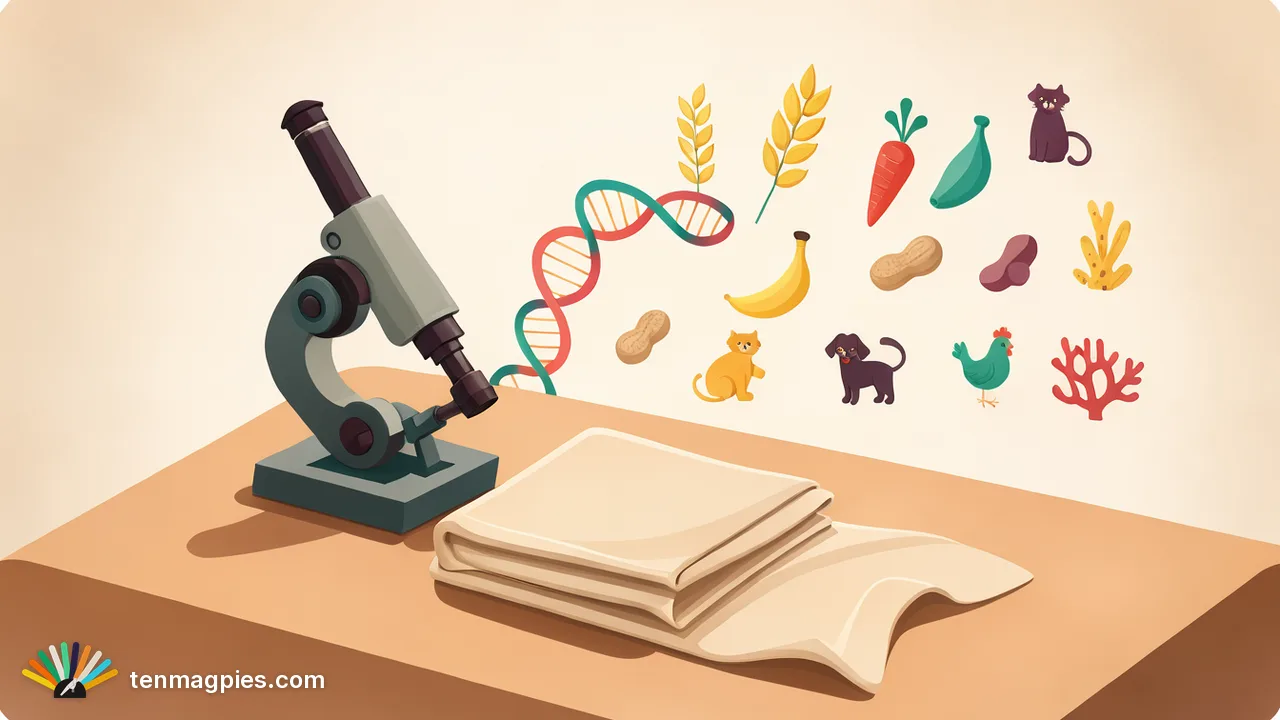
Quite a crowd. The team found several different human DNA lineages, meaning many people have handled the cloth. They found bacteria and fungi typical of skin, and microbes that love salt.
Then the menu: wheat, carrots, maize, bananas and peanuts. Then the farmyard: cattle, pigs, chickens, dogs and cats. And, oddly, DNA linked to red coral from the Mediterranean.
Some of these, like maize and peanuts, come from the Americas, so they can't date from ancient times. They must have arrived much later, carried by hands, air and centuries of display.
So, real or not?
The scientists are clear: DNA can't settle it. Traces from different eras are all mixed up, and finding a species doesn't tell you when it got there.
“The Shroud represents a rich archive of genetic information,” said Professor Noemi Procopio of the University of Lancashire. She added that the DNA “cannot answer all the questions about the age or authenticity of the cloth.”
So the mystery stays a mystery. But now we know the Shroud has met more people, pets and snacks than most of us will in a lifetime.